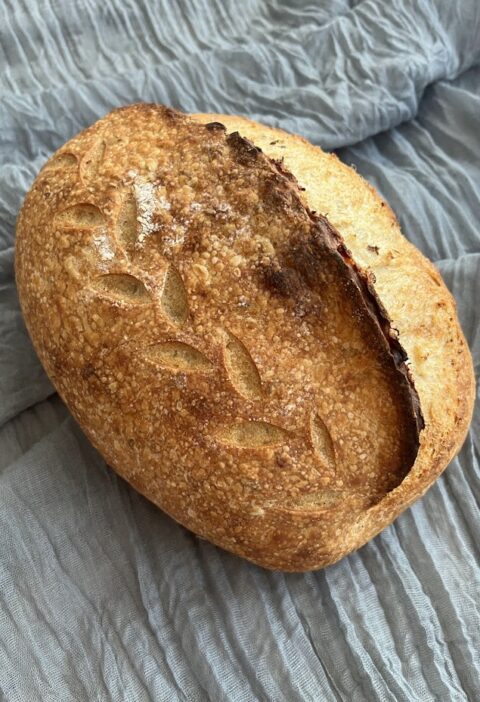
When I started discovering the hidden corners of traditional baking, I realized one crucial thing: yeast dough is not a sprint, but a lesson in sustainable patience. If you want to create a pastry that doesn’t resemble a rubber sole and won’t dry out by the next day, you need to invite an omládek (preferment) into your kitchen.
Why dedicate time to preparing a preferment, how can you easily calculate it for any recipe, and how do you know when your omládek is at full strength?
A Brief Look into History: When Yeast Was a Luxury
Omládek is not some modern invention from the cover of a culinary magazine; it is an honest tradition of old master bakers. In the past, it wasn’t common to just pop into a store and buy a neat little cube of fresh yeast. Bakers had to treat pressed yeast like treasure.
To make a small amount of yeast lift a large batch of heavy dough, they prepared a preferment, or omládek. In this thin environment of water, flour, and a tiny bit of yeast, the yeast cells literally woke up, multiplied rapidly, and gained strength before they had to carry the heavy burden of fat, sugar, and eggs.
Why Use an Omládek?
You might be wondering why you should complicate your life with an extra step. The great news is that you do not even need to dirty an extra bowl—you can prepare the omládek directly in the main bowl where you will later knead your dough! The reason why we do this is simple: honest craftsmanship and quality without shortcuts.
- Taste and aroma: During the slow fermentation of the omládek, organic acids and aromatic compounds develop, giving the pastry a full, deep, and unmistakable flavor.
- Perfect softness: Pastries made with an omládek stay fresh and soft for much longer.
- Easier kneading and dough growth: Yeast kick-started in an omládek can easily leaven even rich and heavy doughs without requiring you to add excessive amounts of commercial yeast, which would otherwise leave an unpleasant aftertaste.
How to Properly Prepare an Omládek and What It Looks Like
When preparing an omládek, we stick to our fundamental baking rules:
- Correct mixing order: When mixing the omládek, always combine the liquid with the yeast first, and only then stir in the flour.
- Resting time: Let the omládek rest for 30 to 45 minutes, depending on the temperature in your kitchen.
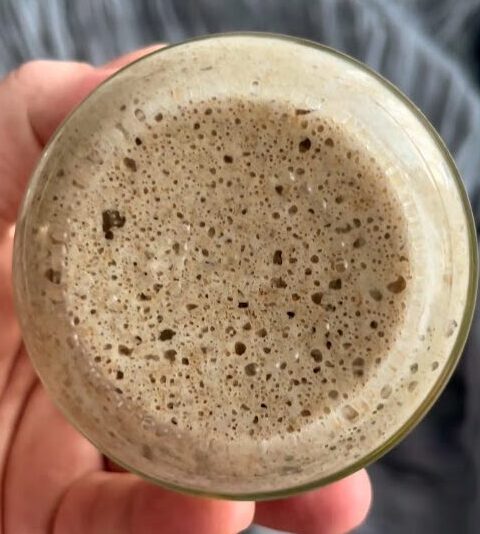
- The look of a ripe omládek: A mature omládek will double its volume and form a distinct, bubbly foam on its surface.
How to Adapt Any Recipe for an Omládek?
Do you have a favorite family recipe that doesn’t use an omládek, but you want to give it some artisan care? Just use these exact ratios to calculate the omládek ingredients:
- Liquid for the omládek: 40% of the total liquid in the recipe.
- Flour for the omládek: 25% of the total flour in the recipe.
- Yeast for standard pastries: 1.5 to 2% of the total flour weight in the recipe.
- Yeast for rich pastries: 2.5 to 3% of the total flour weight in the recipe (heavy doughs with a high fat and sugar content).
A Practical Example of the Calculation
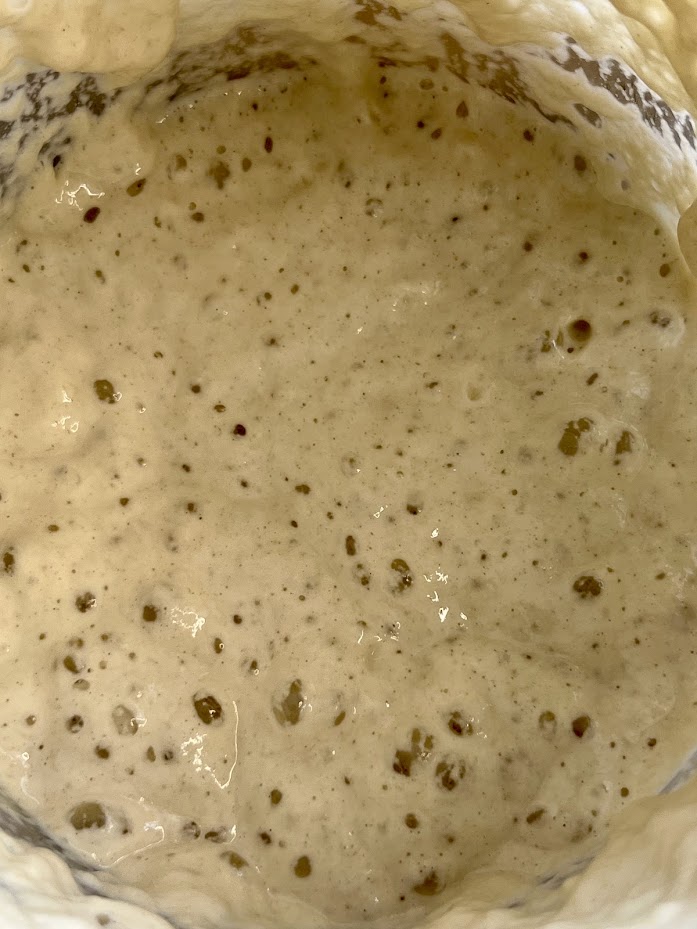
If your recipe calls for 500 g of flour and 200 g of milk for a standard yeast dough:
- Flour for the omládek: 25% of 500 g = 125 g of flour
- Liquid for the omládek: 40% of 200 g = 80 g of milk
- Yeast for the omládek: 1.5–2% of 500 g of flour = 7.5 to 10 g of fresh yeast
The Artisan Method in Practice You subtract all these calculated ingredients from the total amounts listed in your original recipe. First, mix the milk with the yeast directly in your main mixing bowl, incorporate the flour, and let it rest for 30 to 45 minutes until distinct bubbles form. Only then should you add the rest of the ingredients from your recipe. Baking with an omládek brings true magic into your kitchen. Try this method for your next baking project and you will immediately see the difference!
Enjoyed this baking deep-dive? Join our Bakeklubb for monthly artisan baking notes and early access to upcoming workshops.
Omládek Preferment Calculator
Enter your recipe's total ingredient amounts below to calculate the exact ratio for the traditional "omládek" preferment and the remaining main dough:
1. Preferment (Omládek)
Mix & Rest 45–60 min- Flour (25%):
- Liquid (40%):
- Fresh Yeast:
- Total Preferment Weight:
2. Main Dough (Add to Omládek)
Final Mix- Remaining Flour:
- Remaining Liquid:
- Total Main Additions: