Welcome back to the digital kitchen! 🌾 A traditional sourdough bread is usually a “lean” dough, meaning it consists of just three humble ingredients: flour, water, and salt. But what happens when you introduce a rich, golden fat like extra virgin olive oil in dough?
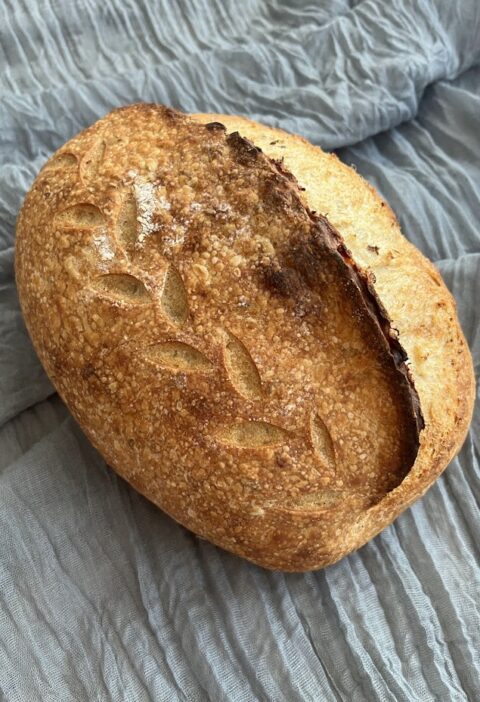
Adding olive oil—as seen in the incredibly aromatic spiced sourdough bread—completely changes the chemistry, texture, and lifespan of the loaf. Let’s explore the science of lipids in baking.
The Science of Coating Gluten with Olive Oil in Dough
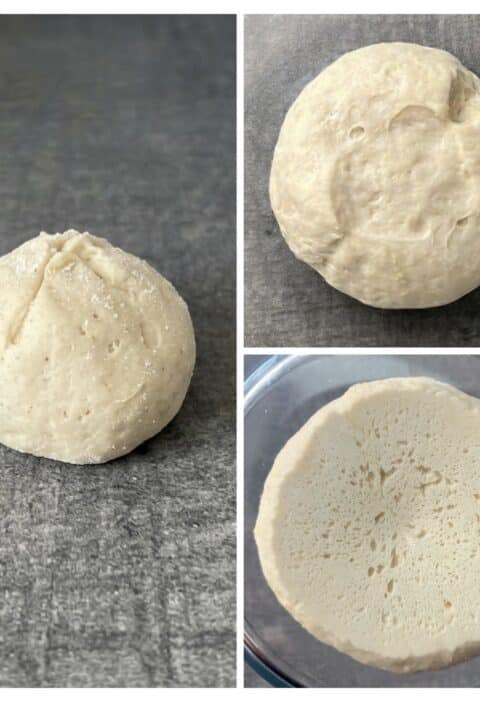
When flour and water mix, gluten proteins form a strong, elastic network that gives bread its chewiness and structure. When olive oil is introduced to the dough, the lipid (fat) molecules physically coat the gluten strands.
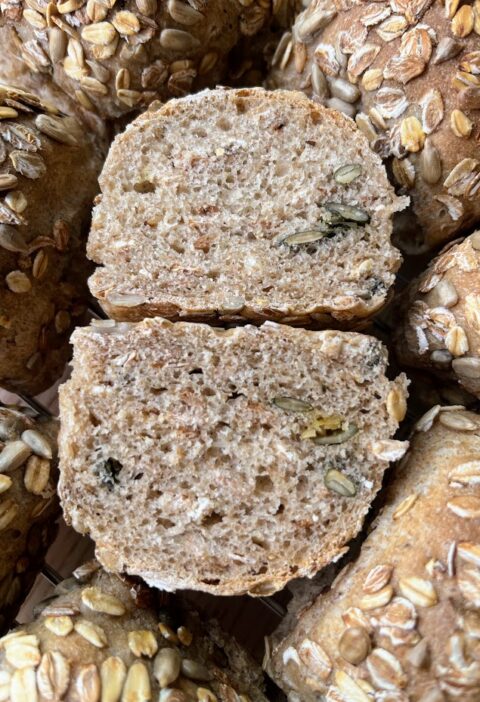
This coating acts as a lubricant, “shortening” the gluten strands (which is why baking fats are often called “shortening”). The result? The dough becomes incredibly soft, extensible, and easy to stretch, leading to a much more tender and delicate crumb in the final baked loaf.
A Thinner, Softer Crust
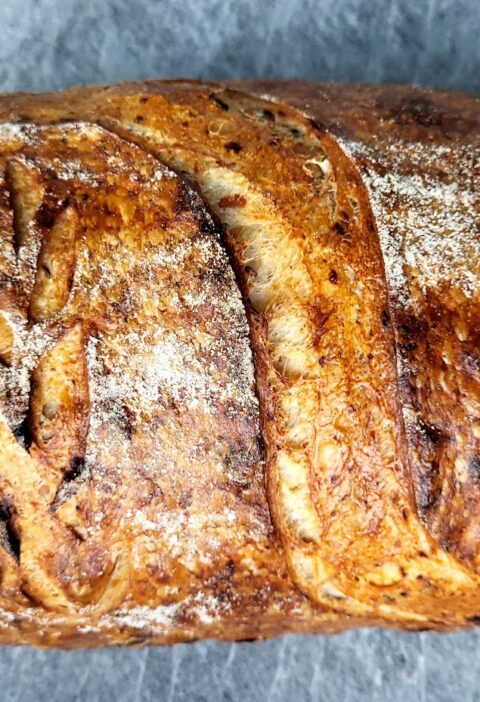
A traditional lean sourdough baked at high temperatures develops a thick, rugged, and blistered crust. Because olive oil coats the proteins and starches on the surface of the dough, it prevents them from forming a hard, glassy shell. Breads enriched with olive oil will have a thinner, slightly softer crust that is easier to bite through, making it perfect for sandwiches and toast.
Moisture Retention and Shelf Life
Staling (retrogradation) is a process where the starches in the baked bread slowly release water and crystallize, turning the crumb dry and hard. Olive oil is a liquid fat at room temperature. Trapped inside the baked dough, it helps lock in the moisture and physically slows down the starch crystallization process.
This means an olive oil sourdough will stay soft, moist, and delicious for several days longer than a standard lean loaf!
Why Lower the Temperature?
Fat acts as an exceptional heat conductor. Doughs enriched with olive oil will brown and caramelize much faster in the oven than lean doughs. This is why recipes with oil often require a temperature drop mid-bake (e.g., from 250°C down to 180°C). It ensures the center of the loaf cooks perfectly without scorching the beautifully enriched crust.
Enjoyed this baking deep-dive? Join our Bakeklubb for monthly artisan baking notes and early access to upcoming workshops.
When should I add olive oil during the mixing process?
It is crucial to develop the gluten network first before introducing fats. Always mix the flour and water, and let the dough undergo autolyse or initial kneading. Once the dough has some strength, slowly incorporate the olive oil and salt to prevent it from completely blocking gluten development.
Does olive oil kill wild yeast in sourdough?
No, olive oil does not kill wild yeast or lactic acid bacteria. However, large amounts of fat can slightly slow down the fermentation process by coating the yeast cells. This is perfectly normal; simply allow the dough a bit more time during bulk fermentation to achieve the desired rise.
Can I substitute other fats for olive oil?
Yes! While olive oil provides a distinct savory flavor and liquid consistency at room temperature, you can substitute melted butter, coconut oil, or even lard. Keep in mind that solid fats (like butter) will create a slightly different crumb texture compared to liquid oils once the bread cools down.
Does the quality of the fat matter for artisan bread?
Absolutely! Always opt for a high-quality extra virgin variety when using olive oil in dough. Refined oils lack the aromatic compounds that make artisan sourdough so special. Extra virgin olive oil imparts a beautiful golden hue to the crumb and a subtle, fruity or peppery note to the final baked loaf.