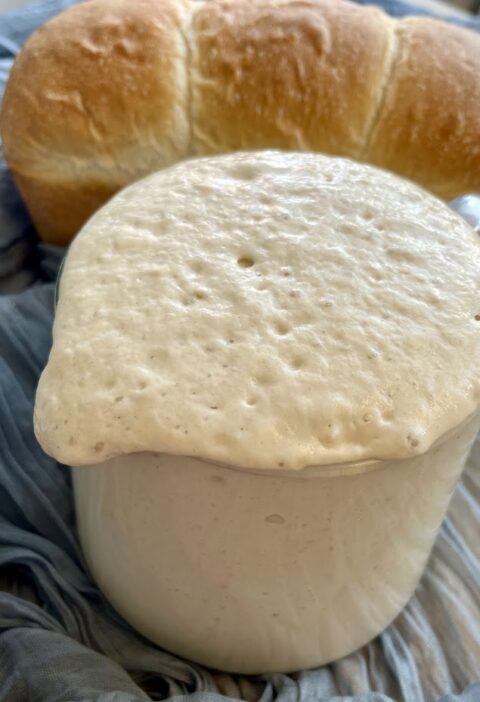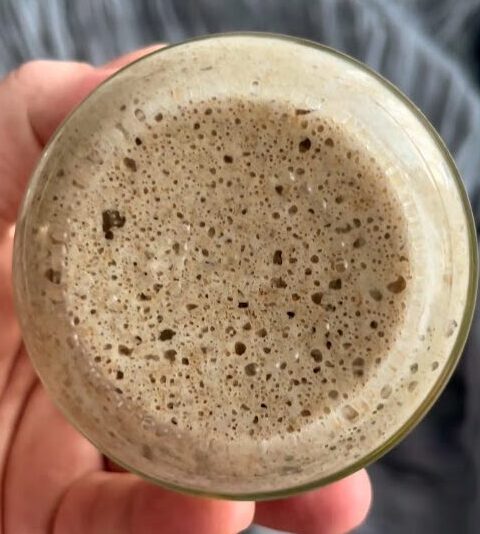
Welcome back to our journey through artisan techniques. While white wheat flour loves a long, vigorous workout to build its robust gluten structure, working with a higher proportion of rye flour alongside a preferment (omládek) plays by an entirely different set of rules. If you treat mixed rye doughs like pure wheat, you will end up with a heavy, dense brick. Mastering this balance requires a delicate touch and a deep respect for kitchen chemistry.
Baking History Fact: Rye and the Heritage of Northern Baking
Rye has deep roots in the harsh climates of Central and Northern Europe, including the historical landscapes of both Czechia and Scandinavia. Because rye thrives in cold, wet soils where wheat fails, it became the backbone of survival baking for centuries. However, pure rye dough is notoriously sticky and difficult to shape. Traditional bakers quickly learned that combining rye with wheat and utilizing preferments (like an omládek base) was the only way to achieve structural integrity and better digestibility. This historical adaptation bridges our Czech heritage with Nordic baking traditions, where rustic, hearty grains rule the daily table.
Baking Chemistry Fact: Why High-Rye Doughs Demand a Gentle Hand
Rye flour contains very little gluten-forming protein. Instead, it is rich in pentosans (soluble dietary fibers called arabinoxylans) that absorb massive amounts of water and form a sticky mucilage rather than an elastic network.
- Short Kneading Times: Because high-rye doughs lack strong gluten proteins, long or aggressive kneading does not build strength ; instead, it breaks down what little structure exists and damages the pentosan gel, resulting in a sticky, unmanageable mess. These doughs should be mixed just until combined.
- The Gentle Art of Folding: Because high-rye doughs cannot tolerate long kneading, stretching and folding the dough during the fermentation process is absolutely crucial. This gentle technique helps develop the gluten from the wheat portion of your dough, creating much-needed structure. It makes it significantly easier to process and shape doughs with a higher rye content, preventing them from turning into an unmanageable paste.
- The Omládek Exception for High-Rye Doughs: In our traditional enriched workflows using an omládek, we usually hold back fats and add them cold at the very end. However, when working with a dough containing a significant portion of rye flour built upon an omládek, there is a fascinating exception. Fat should be whisked directly into the liquid ingredients of the recipe first. This liquid-fat emulsion is then gently folded into your active, bubbly omládek before the remaining flours and dry ingredients are incorporated.
This technique coats the dense rye components gently, preventing premature gumminess while ensuring the rich flavors distribute evenly through the heavier dough without overworking its delicate matrix.
A Gentle Reminder for Your Next Bake
Embrace the unique nature of every flour you bring into your kitchen. Trust the process, respect the chemistry of both wheat and rye, and enjoy the magic you create!
Enjoyed this baking deep-dive? Join our Bakeklubb for monthly artisan baking notes and early access to upcoming workshops.