Welcome back to our sourdough journey! 🍞✨
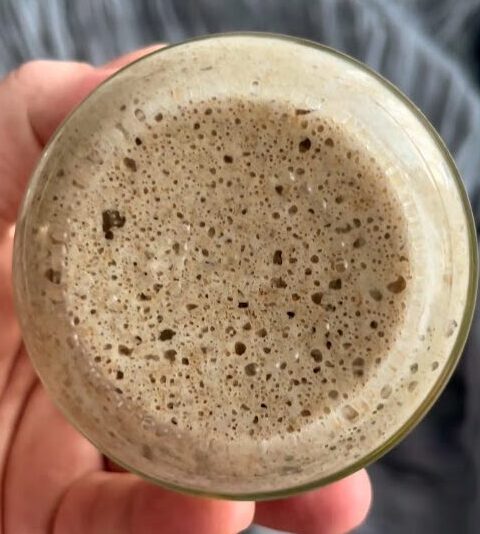
In Part 1, we built a strong whole rye sourdough starter. While rye sourdough is unmatched for rustic loaves, its natural high acidity can easily overpower delicate, buttery pastries.
Today, we are taking that starter through an evolutionary leap: converting it into Lievito Madre (also known as pasta madre), the stiff, sweet Italian mother yeast.
The History: The Renaissance Gift to Sweet Doughs
Lievito Madre (translating literally to “Mother Yeast”) was born out of the Italian baking tradition. Renaissance Italian bakers set out to create complex, highly enriched holiday showstoppers like Panettone, Pandoro, and Colomba Pasquale.
These rich doughs are loaded with sugar, butter, and egg yolks. Standard liquid starters introduce too much acid, breaking down the fragile gluten network under heavy fats.
To overcome this, Italian master bakers developed a method of maintaining a stiff starter with low hydration (45–50%), which gives pastries incredible fluffiness, moisture, and mild milky notes.
The Science: Hydration, Osmotic Stress, and Lactic vs. Acetic Acid
A high-hydration rye starter kept at a lower temperature promotes the production of acetic acid (which causes a sharp vinegar-like sourness). By switching to a low-hydration stiff dough (around 50%) and a higher temperature (26–28 °C), we fundamentally change the microbial environment:
- Homofermentative Lactic Acid Bacteria: The higher temperature and stiff consistency stimulate the production of lactic acid, bringing mild, sweet yogurt-like and fruity notes.
- Suppressing Acetic Acid: The warmth and gradual transition to pure wheat flour suppress acetic acid-producing bacteria.
- Activating Wild Yeasts: Heat creates an ideal environment for yeasts (Saccharomyces cerevisiae and Candida humilis), giving the stiff dough massive lifting power.
Step-by-Step Conversion: From Rye to Lievito Madre
Consistency Change & First Introduction
Take 20 g of your active rye starter (at its peak) and mix it with 20 g of lukewarm water and 40 g of strong wheat flour.
Knead everything by hand. The dough will be very stiff, but after a short while of kneading, it will come together into a smooth ball.
Score a cross on the surface of the ball (about 1 cm deep), place it in a narrow, clean glass jar, and cover it.
Flushing Out the Rye Character
Now we are fermenting only with wheat flour to get rid of the acidity. From the risen starter of the previous day, extract the center (cut away any dried edges) and weigh out exactly 20 g of starter. Discard the rest.
Add 20 g of lukewarm water and 40 g of strong wheat flour. Knead again, score a cross on top, and let it double in volume in a warm spot.
Repeat this process 1 to 2 times a day (depending on how fast the starter grows) for the next 2–3 days.
Transition to Standard Feeding
Your starter should no longer smell like rye at all; the color will be lighter, and the aroma will shift to mildly sweet, fruity, or milky notes. You can now transition to the classic maintenance ratio for Lievito Madre.
Take 30 g of starter, add 15 g of water and 30 g of strong wheat flour. Knead and score a cross on top.
The Key to Success: Temperature
Rye starter is used to cooler conditions (around 21–24 °C), but Lievito Madre is literally dependent on warmth.
To properly multiply yeast and suppress acetic acid bacteria, keep it genuinely warm during the feeding process (near a heater, in a slightly open oven with the light on, etc.).
When to Use Lievito Madre
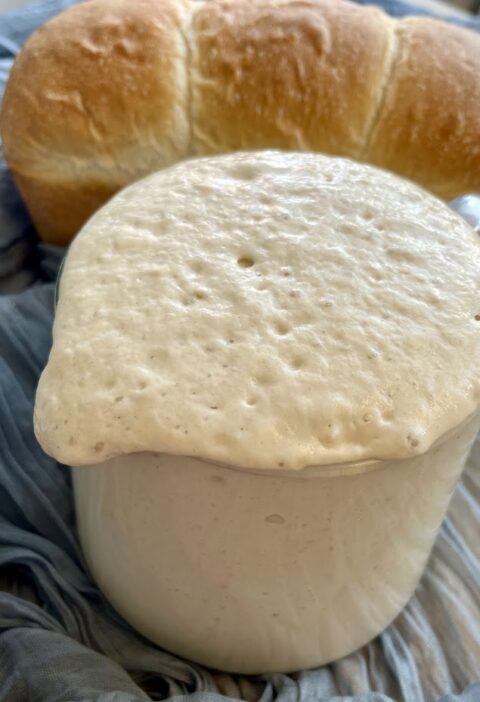
Lievito Madre is your ultimate tool when baking rich, fat-heavy doughs like Brioche, Panettone, traditional Czech vánočka, or sweet filled buns. It delivers incredible oven spring without adding unwanted sourness.
Coming up in Part 3: We will explore the fast, liquid counterpart—Li.co.li!
Starter Comparison Matrix
| Property | Liquid Starter (Li.co.li) | Stiff Starter (Lievito Madre) |
|---|---|---|
| Hydration Level | 100% (equal flour & water) | 40–50% (half water relative to flour) |
| Consistency | Batter-like, liquid | Stiff dough, rollable |
| Maintenance Labor | Very low (stir with a spoon) | Higher (kneading required) |
| Flavor Profile | Pleasant, crisp bread notes | Very mild, sweet, lacto-yogurt notes |
| Best Uses | Daily bread, baguettes, focaccia, ciabatta | Panettone, brioche, viennoiserie, rich sweet doughs |
Enjoyed this baking deep-dive? Join our Bakeklubb for monthly artisan baking notes and early access to upcoming workshops.
Mother Starter Maintenance Calculator
Calculate the feeding ratio for your master "Mother Starter". Once this mixture ferments and peaks, you will use a small portion of it as the Seed Starter for your recipe, and store the rest for your next bake.
1. Ingredients to Mix
1:1:1 Ratio- Seed Starter:
- Water:
- Flour:
- Total Yield:
2. Starter Profile
100% Hydration- Consistency: Batter-like, liquid
- Maintenance: Low (Stir with a spoon)
- Flavor Profile: Crisp bread tang (Rye: Earthy)
- Best Uses: Daily bread, baguettes, ciabatta